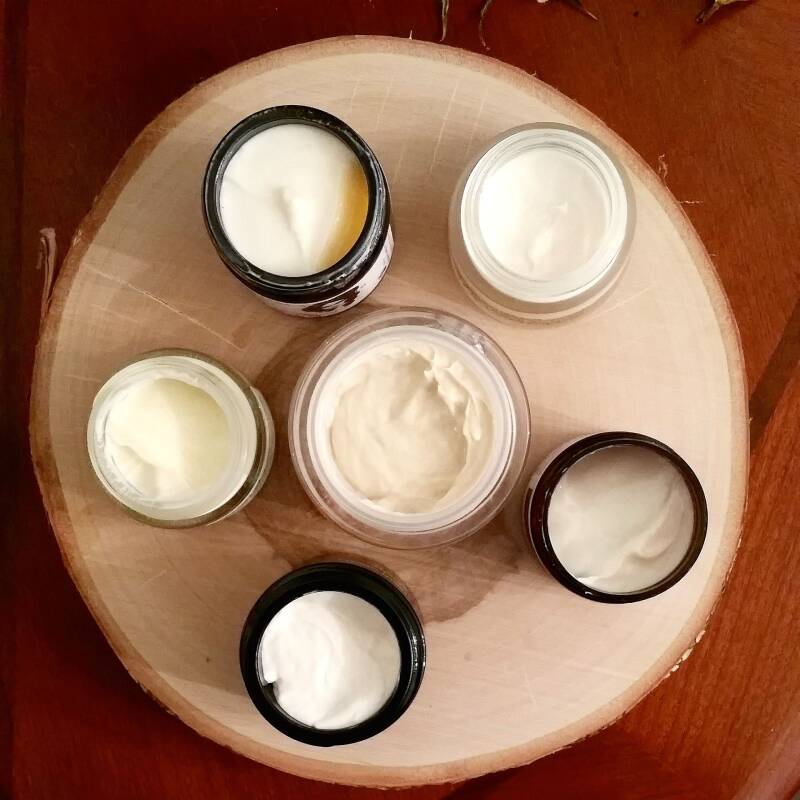
Many products are marketed as “moisturisers,” but their function depends on how they interact with the skin barrier. One of the most important distinctions is between water-based creams and occlusive balms.
Balms are often misunderstood as “heavy” or unnecessary, but in certain conditions they are more effective than creams at maintaining skin hydration and preventing dryness.
This article explains when to use occlusive balms instead of creams, how they function, and how to choose based on skin condition and environment.
What Is an Occlusive Balm?
An occlusive balm is a water-free (anhydrous) product designed to form a protective layer on the surface of the skin.
This layer:
- Reduces transepidermal water loss (TEWL)
- Protects the skin barrier
- Helps retain existing moisture
Typical components of a balm:
- Oils (emollients)
- Waxes (structure + occlusion)
- Butters or lipid-rich fats (barrier support)
Unlike creams, balms do not contain water and therefore do not require preservatives.
How Creams Work (and Their Limitations)
Creams are emulsions of water and oil. They:
- Provide immediate hydration through water content
- Absorb quickly
- Often feel lighter on the skin
However:
- The water component evaporates
- Without sufficient occlusion, hydration can be temporary
- In dry environments, TEWL can increase after application
This is why creams alone may not be sufficient for very dry or compromised skin.
When to Use a Balm Instead of a Cream
1. When Skin Feels Dry Again Shortly After Moisturising
If hydration does not last, the issue is often water loss, not lack of moisture.
An occlusive balm helps retain moisture already present in the skin.
2. In Cold or Dry Climates
Environmental factors such as:
- Cold air
- Wind exposure
- Indoor heating
increase TEWL. Occlusive products provide a barrier against these conditions.
3. After Exfoliation
Exfoliation temporarily reduces the protective outer layer of the skin.
Applying a balm after exfoliation:
- Reduces water loss
- Supports barrier recovery
- Minimises post-exfoliation dryness
4. For Dry or Lipid-Deficient Skin
Skin that produces less natural oil (sebum) benefits from:
- Additional lipid support
- Surface protection
Balms provide both emollient and occlusive functions in one product.
5. Overnight Use
During sleep:
- Skin loses water continuously
- Environmental protection is reduced
Balms create a stable barrier that remains on the skin for longer periods, making them suitable for overnight application.
When a Cream May Be Enough
Creams can be sufficient when:
- Skin is not significantly dry
- Humidity is higher
- A lighter finish is preferred
- Used as a base layer under an occlusive
In many routines, creams and balms are used together rather than as alternatives.
Layering: Cream + Balm
For improved hydration retention:
- Apply cream to provide water
- Apply balm to seal it in
This combination:
- Reduces TEWL
- Extends hydration duration
- Improves overall skin comfort
Why Oil- and Tallow-Based Balms Are Effective
Balms made with lipid-rich ingredients (including tallow and plant oils) provide:
- Emollient benefits (softening and smoothing)
- Occlusive benefits (reducing water loss)
- Compatibility with the skin’s natural lipid structure
The effectiveness depends on formulation balance, including wax content and oil ratios.
Misconception: “Balms Are Too Heavy for Regular Use”
“Heavy” is a sensory description, not a functional one.
A balm may feel richer, but that does not mean:
- It will clog pores
- It cannot be used regularly
- It is unsuitable for all skin types
Appropriate use depends on:
- Amount applied
- Skin condition
- Environment
Conclusion
Balms and creams serve different roles.
- Creams provide water-based hydration
- Balms reduce water loss and protect the barrier
Using the correct type — or combination — depends on:
- Skin condition
- Climate
- Timing within a routine
Understanding function allows for more effective and consistent results.
FAQs
What is an occlusive balm in skincare?
An occlusive balm is a water-free product that forms a protective layer on the skin to reduce moisture loss and support the skin barrier.
When should I use a balm instead of a cream?
A balm is more effective when skin is dry, in cold or dry climates, after exfoliation, or when hydration from creams does not last.
Can I use a balm every day?
Yes. Daily use depends on skin type and environment. Many people benefit from regular use, especially in dry conditions or overnight.
Do I need a cream if I use a balm?
Not always. However, creams can provide hydration, and balms can be layered on top to seal that hydration in.
Are balms better for dry skin?
Balms are often more effective for dry skin because they reduce water loss and provide lipid support, helping maintain hydration for longer.